
Article • May 20, 2026
Tile or Timber Floors? A Practical Guide to Choosing the Right Surface for Your Home
By IMSU Team
The floor in your home sets the tone for everything that comes after. It can shape how a room looks and the final ‘feel’ of your design. Yet, flooring can be either one of the least-considered decisions in a new build or one of the most challenging.
The right flooring choice for your home isn’t universal. It will depend on your climate, household, lifestyle, and long-term vision for your home. This guide will help you make a confident, informed decision between the two most popular choices: tiles or timber.
Download Now
Trending Home
Facade Styles
details
Different Types of Flooring to Consider
Familiarising yourself with the different types of floor tiles and floorboards is an important first step in choosing the best option for your home. Each material has distinct characteristics that influence where and how it should be used:
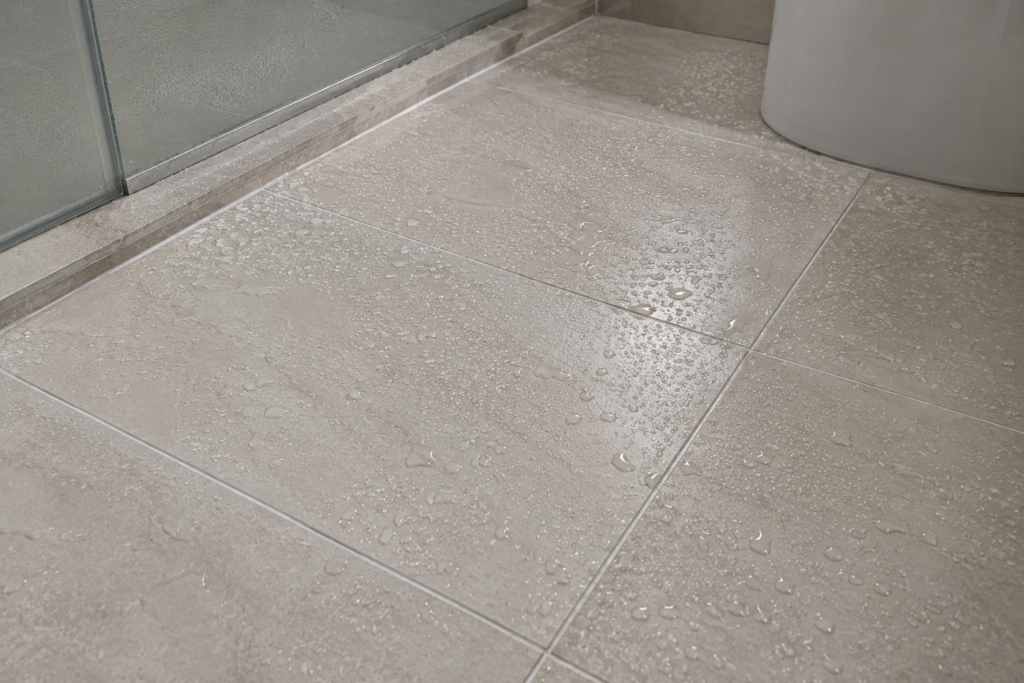
- Porcelain tiles are highly water-resistant and durable, making them ideal for wet areas such as bathrooms and laundries.
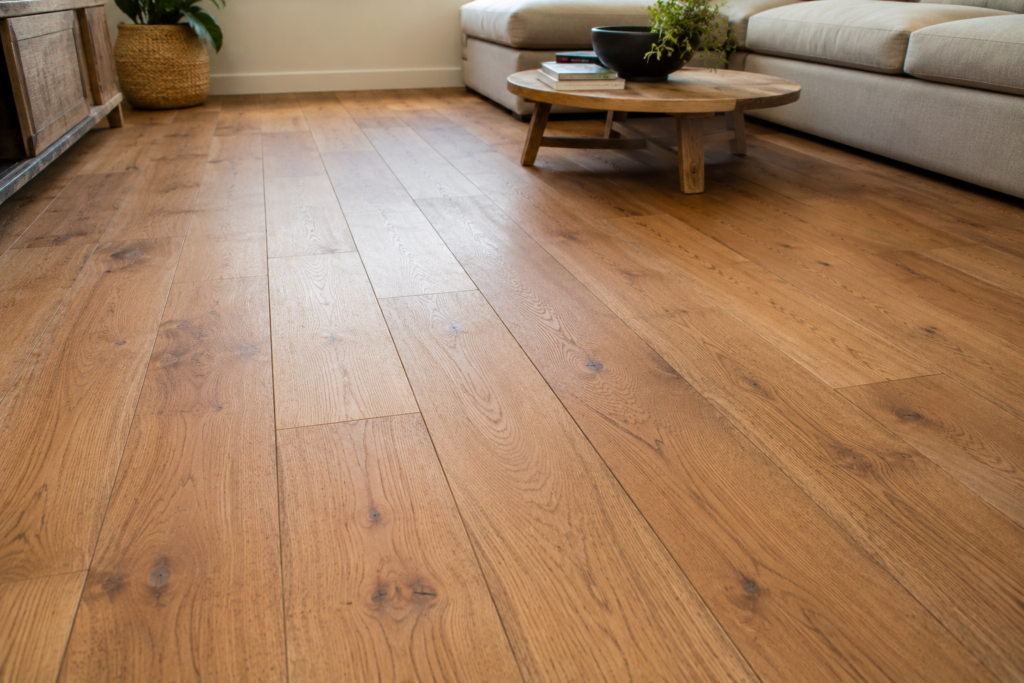
- Hardwood floorboards add warmth, natural beauty, and character to living areas, but may require more upkeep.
- Laminate flooring is a budget-friendly option that’s easy to maintain and suitable for busy, family households.
- Natural stone tiles offer a premium, timeless look, though they typically involve higher costs and more maintenance.
A Guide to Tile Flooring
Tile flooring has long been a popular choice for new home builds and home renovations. It has many practical and aesthetic qualities, and can work well in almost every room in your home, with the right design choices.
Durability and Strength
Tile is known for its durability. When properly installed, porcelain and ceramic tiles are resistant to water, stains, and heavy wear. They don’t warp, swell, or scratch under everyday use, making them a practical choice for busy households with children, pets, or frequent visitors.
Comfort in Warm Climates
In hot and humid regions, tile stays cool underfoot, making a noticeable difference in comfort. This is especially beneficial in many parts of Australia. Tile also pairs well with in-floor heating systems, allowing you to add warmth when needed without compromising durability.
Design Versatility
Modern tile options offer a wide range of styles. Large-format porcelain tiles can replicate the look of materials like marble, concrete, and even timber. This allows you to achieve a high-end aesthetic while still benefiting from the practicality and resilience of tile materials.
Maintenance and Drawbacks
Tile does have some limitations. Grout lines can require regular cleaning and may discolour over time. Hard surfaces can feel uncomfortable during long periods of standing, particularly in kitchens. In living areas, tile may also feel cold or stark if not balanced with softer textures and furnishings.
Everything to Know About Timber Flooring
Timber flooring is known for adding warmth throughout a home and with the right materials, care and maintenance, can last a lifetime.
Natural Warmth and Comfort
Timber flooring has remained popular for centuries because of its natural warmth and texture. It feels softer and more comfortable underfoot than harder materials like stone or tile. In cooler climates, this added warmth is especially noticeable in winter.
Adds Value to Your Home
Both engineered and solid hardwood floors can increase a home’s appeal. Many real estate agents highlight timber flooring as a strong selling point, as it often creates an immediate emotional connection with buyers.
Versatile Style
Timber suits a wide range of interior designs. It can complement light, coastal homes with pale finishes or add depth to urban spaces with darker tones. Over time, timber develops character, ageing in a way that enhances its appearance rather than diminishing it.
Maintenance and Limitations
Despite its benefits, timber does have some downsides. It can be affected by moisture and changes in humidity, which may cause swelling or movement. This makes it less suitable for areas like bathrooms and laundries unless carefully managed. Timber is also prone to scratches and requires ongoing maintenance, such as sanding and resealing.
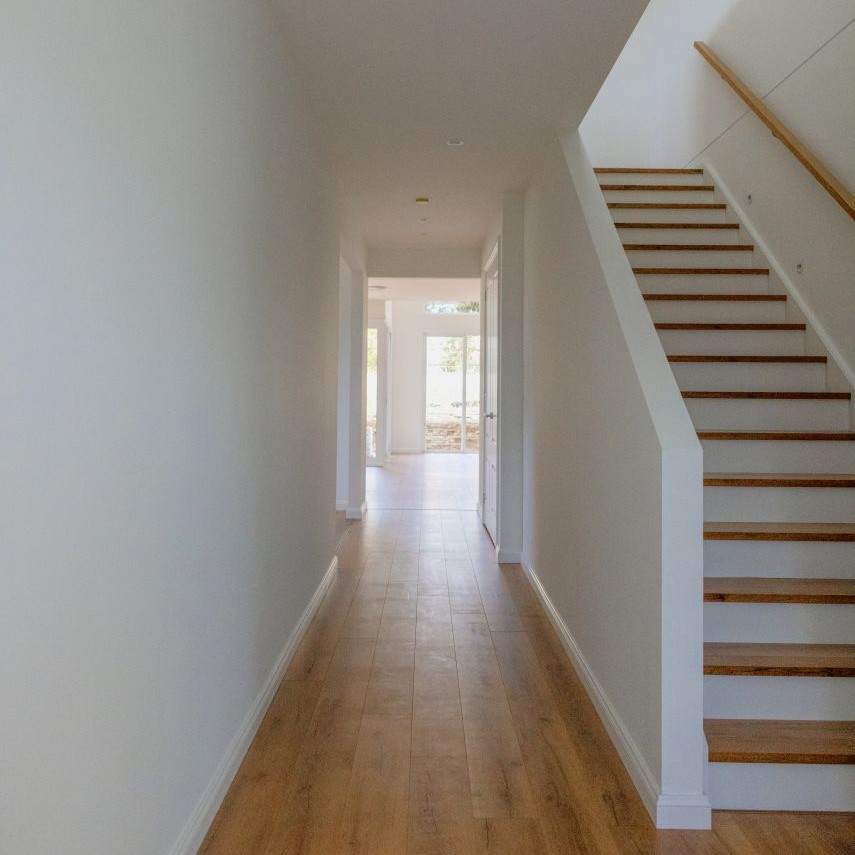
How to Decide Between Tile or Timber Flooring
The best homes don’t choose one material, they use both with intent. Tile suits wet areas, entryways, and open-plan kitchens and dining spaces where durability is a priority. Timber works in living rooms, bedrooms, and hallways, bringing warmth, continuity, and comfort.
Factor in your climate, daily routines, and how much maintenance you’ll realistically keep up with. If you’re building new, talk to your builder early, as flooring choices can affect structure and budget, and are much easier to refine during design than after construction begins.
If you’re unsure, reach out to the IMSU team. We can help you make confident, considered design decisions.

Continue Reading

Article • September 14, 2026
IMSU Becomes A Quintuple Finalist at the 2026 HIA NSW Awards
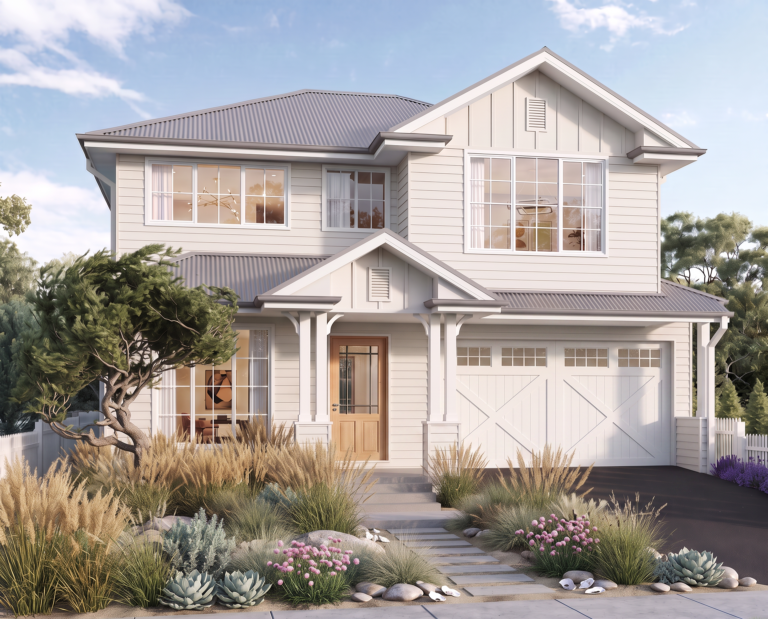
What Is Coastal Farmhouse Design? Interiors, Features & Facades
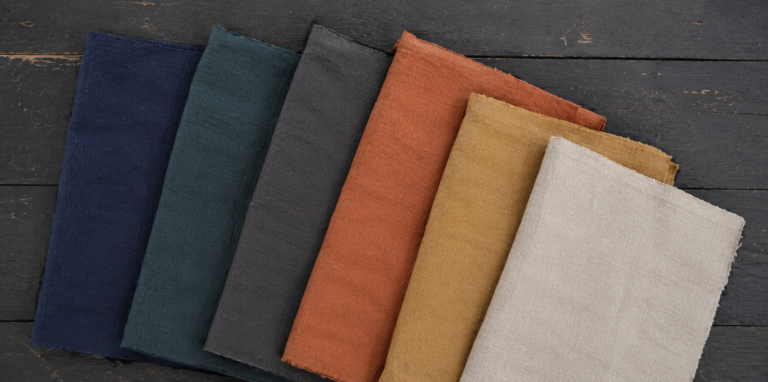
How to choose your colour scheme for a new build
Start Your Dream
Home Journey
Feeling inspired?
The first step in your dream home journey starts with a single click.