
Article • May 20, 2026
How to Choose the Perfect Lot for Your New Home (and Avoid Hidden Costs)
By IMSU Team
Choosing the right block of land (or lot) is one of the most important decisions you’ll make when building your home. While it’s easy to fall in love with a location or the price, the wrong lot can lead to unexpected costs, compromises, and long-term frustrations.
This guide breaks down what to look for to make sure you’ve found the right lot for you, and the red flags to be aware of before committing.
Download Now
Trending Home
Facade Styles
details
What to Look for in Your Perfect Lot
A lot is the parcel of land where your future home will be built, and it’s more than choosing size and location. Every block has unique characteristics that directly impact what you can build and how much it will cost. Some of these characteristics are more beneficial than others, some can add unexpected costs, and some require expert input to get the full picture.
Orientation and Sunlight
Orientation plays a major role in how comfortable and energy-efficient your home will be. In Australia, north-facing blocks are ideal because they maximise natural sunlight throughout the day, helping to reduce heating costs in winter while maintaining comfortable living conditions year-round.
Block Shape and Size
The shape and dimensions of your block will influence your home design more than you might expect. Rectangular blocks are typically the easiest to work with, offering flexibility in layout and positioning. Irregular or narrow blocks can result in stunning homes, but they may require custom design solutions, which can increase design and construction costs.
Slope and Site Conditions
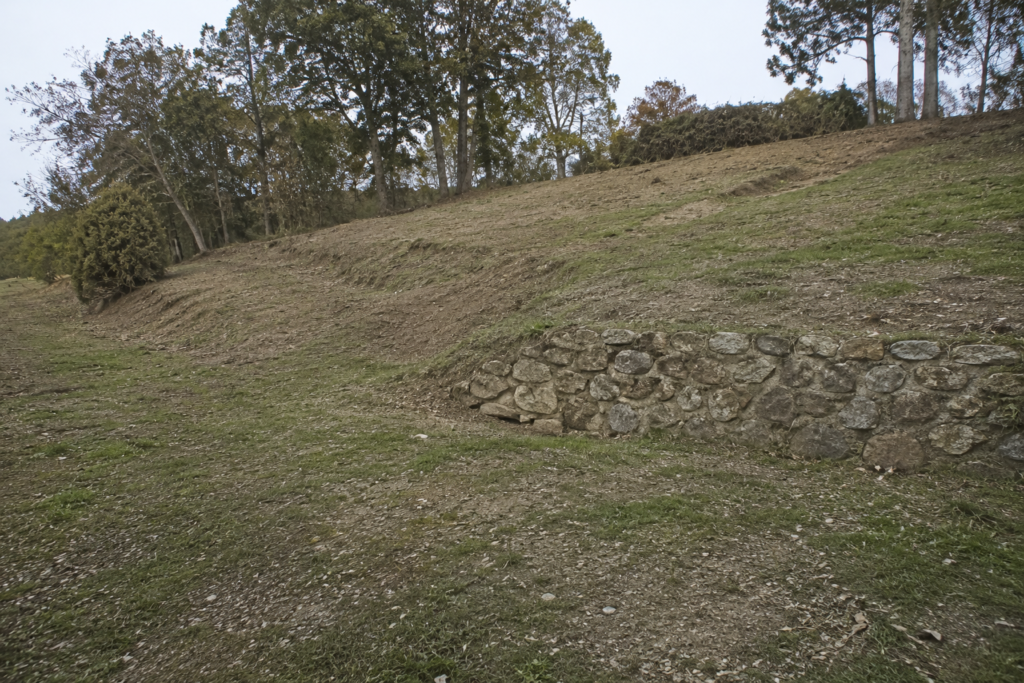
A flat block is generally the most cost-effective option, as it requires minimal site preparation. Sloping blocks may involve excavation, retaining walls, and specialised foundations. While they offer unique design opportunities and views, the added complexity can significantly impact your budget if not planned for.
Access and Services
Before committing to a block, confirm that essential services such as water, sewer, electricity, and internet are readily available. If they aren’t already connected, bringing these services to your site can be costly. Access to the lot during and after building is equally important. Consider how easy it will be for construction vehicles to reach your block, and the practicality of driveways and parking once your home is complete.
3 Red Flags to Look Out For
It’s often the case that unexpected costs occur during any home build. While some costs can’t be planned for, many can be avoided by looking out for these common red flags when choosing your lot.
- Steep or uneven land: While sloping blocks can offer great views, they often entail additional costs, such as excavation and drainage systems. These costs can quickly escalate if not identified and planned for early.
- Poor soil conditions: Soil type is one of the biggest hidden costs in new builds. A soil test, also known as a geotechnical report, is essential before purchasing land, as it gives you a clear understanding of what kind of construction methods will be required.
- Zoning restrictions and overlays: Every block is subject to local council regulations that dictate what can and cannot be built. These rules may include height restrictions, building envelopes, heritage overlays, or environmental considerations such as bushfire or flood zones.
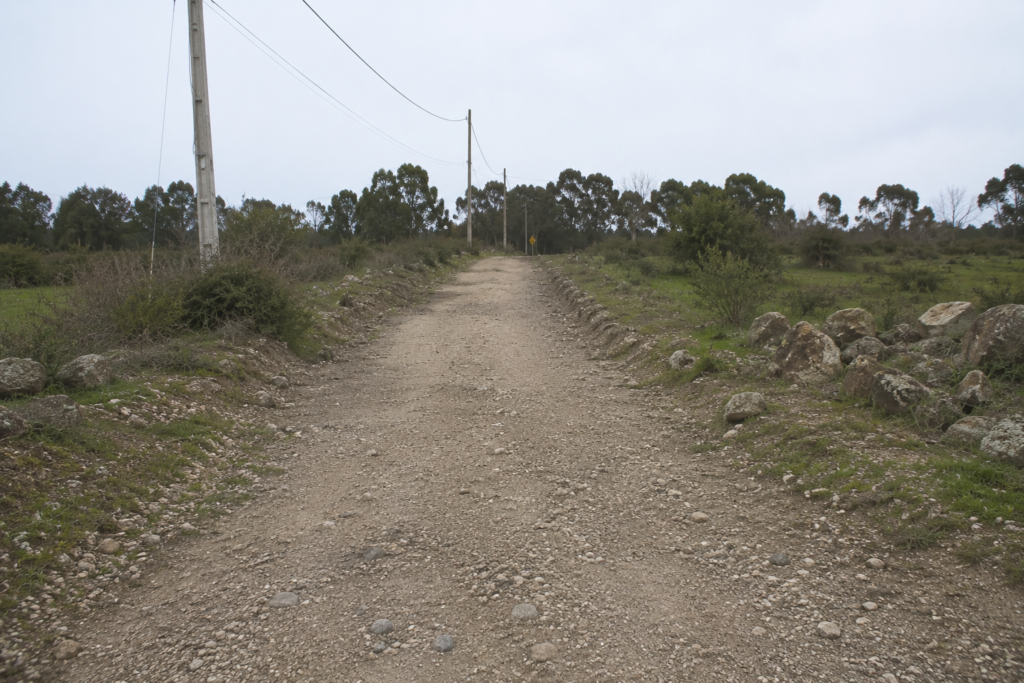
Get Help Finding Your Perfect Lot
Choosing the perfect lot is about ensuring your land supports your long-term vision. At IMSU, our free, comprehensive land assessments will help bring your block into full focus. Our team will utilise decades of experience to paint the full picture of your land and help you avoid hidden costs.

Continue Reading

Article • September 14, 2026
IMSU Becomes A Quintuple Finalist at the 2026 HIA NSW Awards
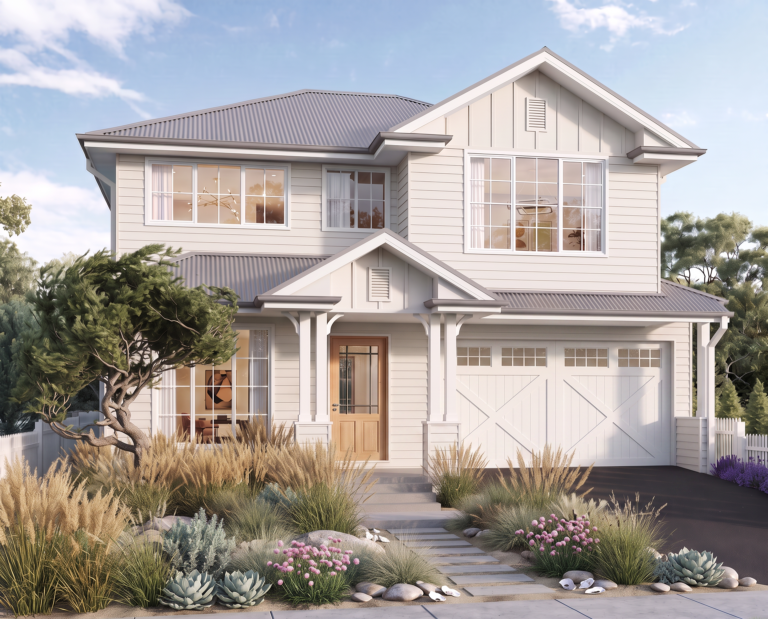
What Is Coastal Farmhouse Design? Interiors, Features & Facades

How to choose your colour scheme for a new build
Start Your Dream
Home Journey
Feeling inspired?
The first step in your dream home journey starts with a single click.