
Article • July 1, 2026
Dual occupancy explained: is your block suitable?
Download Now
Trending Home
Facade Styles
details
By IMSU Team
Property prices are continuing to climb throughout Australia, with more homeowners looking for ways to make the most of the land they already own or to maximise new block purchases. Dual occupancy is one option worth exploring, but there are a few considerations to keep in mind before opting for this path.
What is dual occupancy?
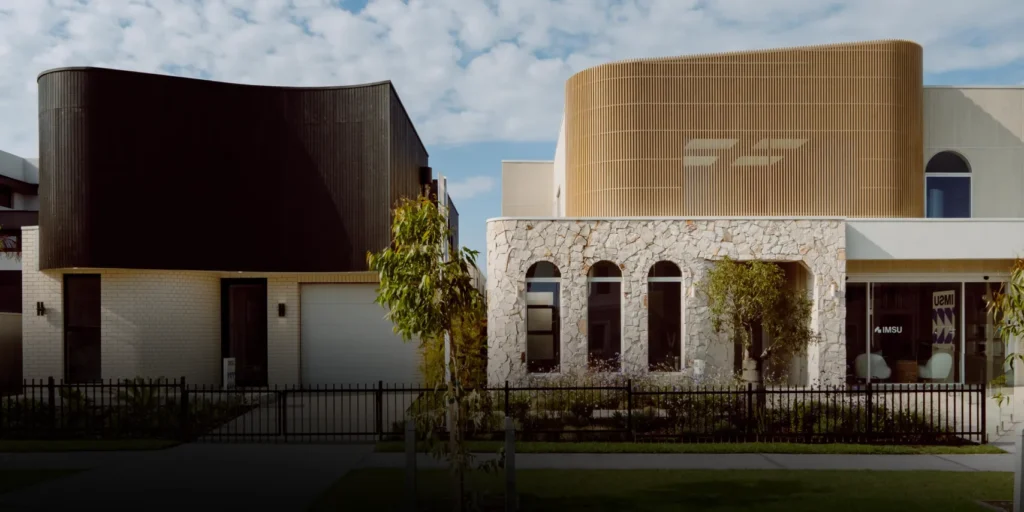
Dual occupancy generally refers to two separate dwellings on one block of land. Depending on the site, council controls and approval pathway, the dwellings may remain on one title or may be capable of subdivision.
Types of dual occupancy include:
- Attached dual occupancy: Two dwellings that share a common wall, such as a duplex.
- Detached dual occupancy: Two completely separate dwellings on the same block, with no shared walls.
- Secondary dwelling (granny flat): A smaller, self-contained home built on the same lot as the primary residence, typically limited in size by council regulations.
- Torrens title subdivision: Where the block is split into two separate titles, allowing each dwelling to be owned and sold independently.

What is the approval process for dual occupancy in Sydney?
Approval requirements vary depending on your local council and the specifics of your block. The steps below provide a general overview, but keep in mind that every site is different, and it’s worth consulting an experienced design-and-build team early to understand the process.
Pre-planning checks
As a crucial first step, you’ll need to review your area’s zoning requirements and confirm that dual occupancy is permitted on your block.
Submit your development application and council approvals
Submit your formal development application to the council for review and approval. The council will review your plans against any local planning controls. You may be asked to make changes and resubmit if your proposed plans fall outside of what’s permitted.
Build and inspections
Once you have council approval, the build can commence. Whether you’re adding to your existing block or building both dwellings from scratch, this is generally the longest part of the process and may encounter setbacks depending on the specifics of the project.

What makes a block suitable for dual occupancy?
Not every block is suited to dual occupancy. Before progressing with plans, it’s worth assessing whether your land has the right characteristics to support two dwellings:
Land size and zoning
Most councils require a minimum lot size for dual occupancy, typically around 600-800 sqm in low-density zones, but this may be lower for medium-density zones. Lot size requirements also depend on the specific dual occupancy type, so make sure you check early. Your block must also be zoned to permit dual occupancy under local planning rules.
Block width and frontage
Similar to lot size requirements, a narrow block can limit design options and may not meet the minimum frontage requirements needed for two separate entries or a subdivision.
Site slope and orientation
A steep sloping block can significantly increase construction costs and complexity. A relatively flat, well-oriented block will generally offer more design flexibility and a more cost-effective build.
Easements and overlays
Existing easements for drainage, services, or right-of-way can restrict where structures can be placed. Council overlays, such as flood, bushfire, or heritage protections, can also affect what’s permissible on the site.
When is dual occupancy right for you?
Dual occupancy isn’t a one-size-fits-all solution, but for the right homeowner, it can be a smart move. Having a clear picture of your end goal will help shape the right design and ownership structure from the outset.
Dual occupancy may be suitable for home owners or builders who:
- Want to generate rental income from their existing land without selling.
- Are looking to house family members, such as ageing parents or adult children, while maintaining everyone’s independence
- Are investors seeking to increase the yield and long-term capital value of a property.
- Want to offset building costs by living in one dwelling and renting out the other.
Explore dual occupancy with the right team
Getting dual occupancy builds right requires careful planning, the right block, and an experienced team. But for the right reasons, it can unlock significant value within your block of land and help future-proof your family’s living goals.
At IMSU, we specialise in helping Sydney homeowners navigate the dual occupancy process from start to finish. Whether you’re exploring your options or ready to get started, contact our expert team today.

Continue Reading
Article • September 14, 2026
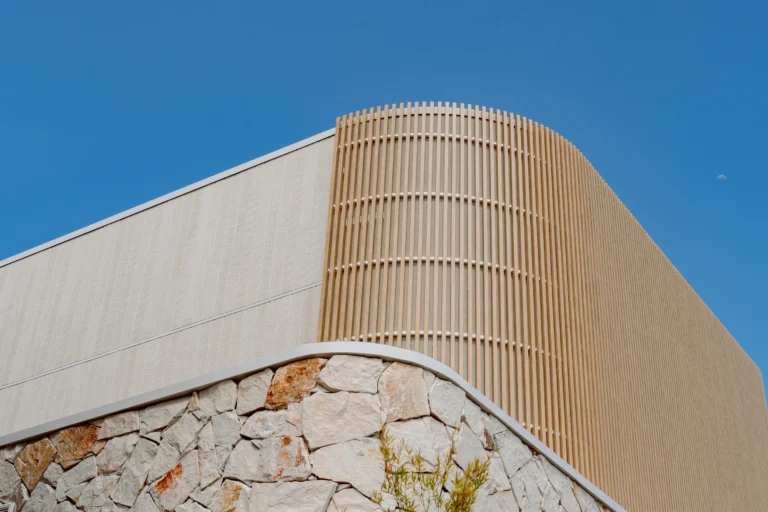
IMSU Becomes A Quintuple Finalist at the 2026 HIA NSW Awards
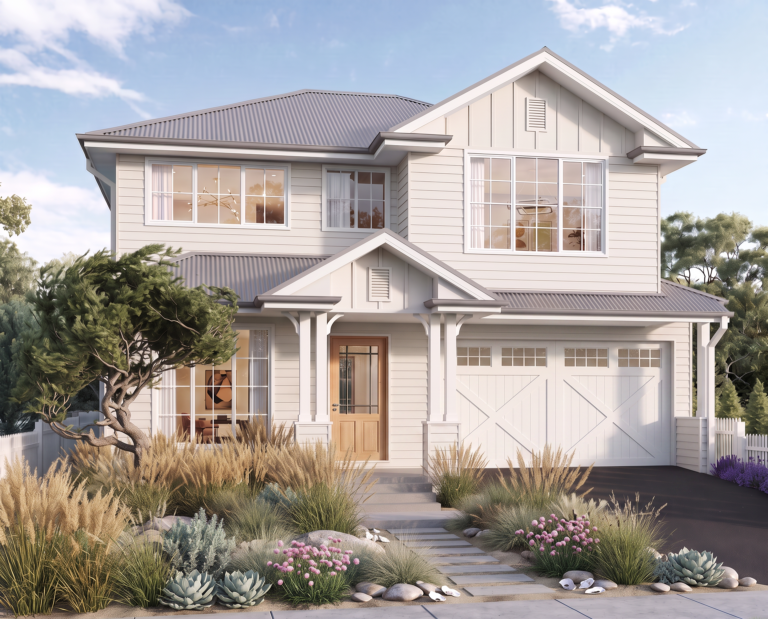
What Is Coastal Farmhouse Design? Interiors, Features & Facades

How to choose your colour scheme for a new build
Start Your Dream
Home Journey
Feeling inspired?
The first step in your dream home journey starts with a single click.