
Article • August 31, 2026
What is Modern Industrial Design and How to Spot its Facades?
Download Now
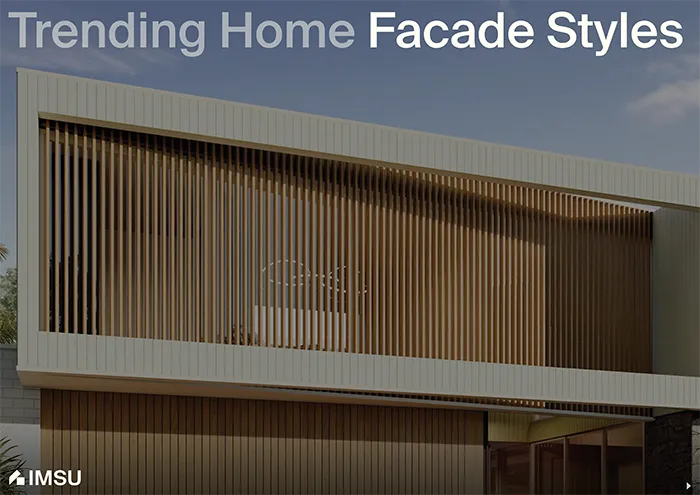
Trending Home
Facade Styles
details
By IMSU Team
A mainstay of warehouse conversions, lofts, and inner-city apartment blocks, modern industrial design is defined by a minimalist and sophisticated, yet imperfect aesthetic.
The contemporary architectural style blends raw, unpolished elements, like exposed concrete and brick, with high ceilings, designer fixtures, and airy open-plan layouts to promote luxury urban living.
Popular throughout Sydney and other Australian cities, modern industrial design is a growing architectural trend. In this post, we’re examining where the style took root, reviewing key design features, and listing the hallmarks of a modern industrial facade.
Where Did Modern Industrial Design Come From?
Modern industrial design, as the name implies, is a contemporary adaptation of traditional industrial design. Think of it as the defining industrial building style of modern times.
In the late 19th century, New York architects adapted the industrial style from clandestine factories in neighbourhoods like SoHo and the Meatpacking District.
World-famous cast-iron structures, such as the Eiffel Tower, U.S. Capitol Dome, Grand Central Station, and SoHo Historic District, also influenced the style, which celebrated the impact of the Second Industrial Revolution.
Over a century later, architects began revisiting this antiquated trend, incorporating its raw, Spartan elements into a fresh, contemporary take with cleaner, minimalist forms.
A 21st Century Adaptation
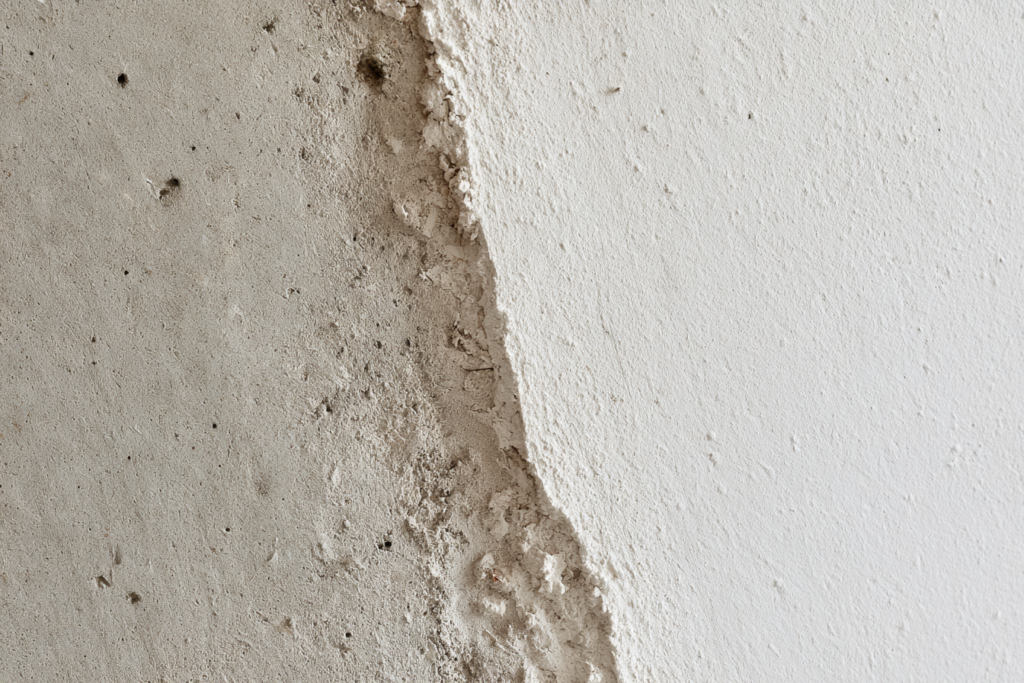
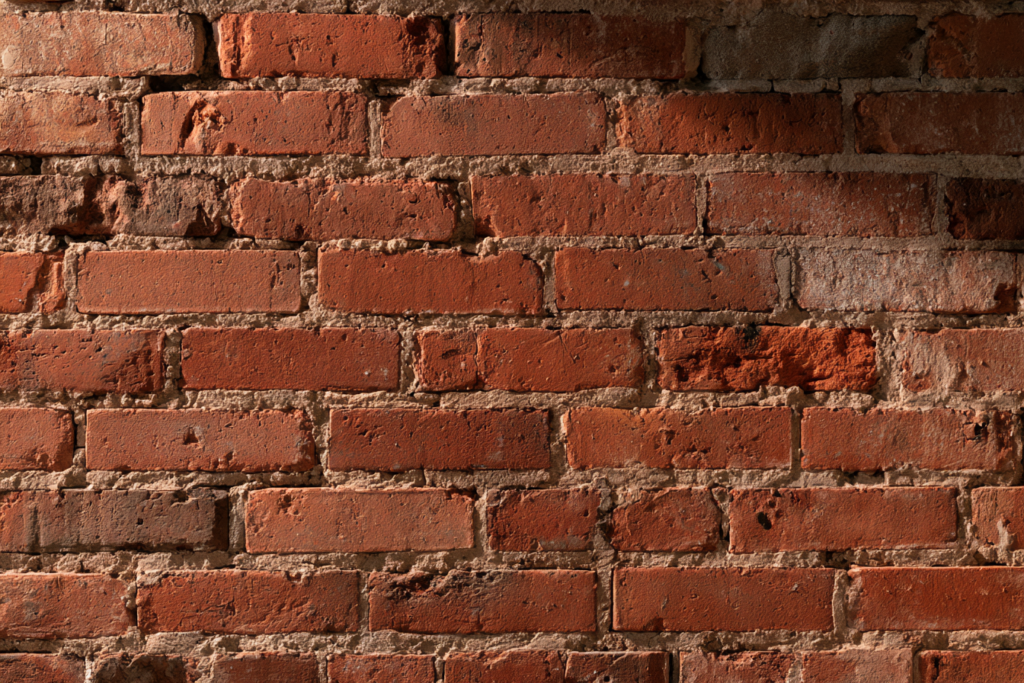
Modern industrial design intentionally showcases original construction elements, the bare imperfections that would normally hide behind painted plasterboard. Home interiors might feature exposed red brick walls, coarse, unpainted concrete, or even piping, furnaces, and flues.
Modern industrial design leans on the Japanese worldview of Wabi-sabi, which accepts imperfections and finds beauty in flaws. Rough textures, bare materials, and asymmetrical shapes form a deliberate cornerstone of the design.
Modern Industrial Colours
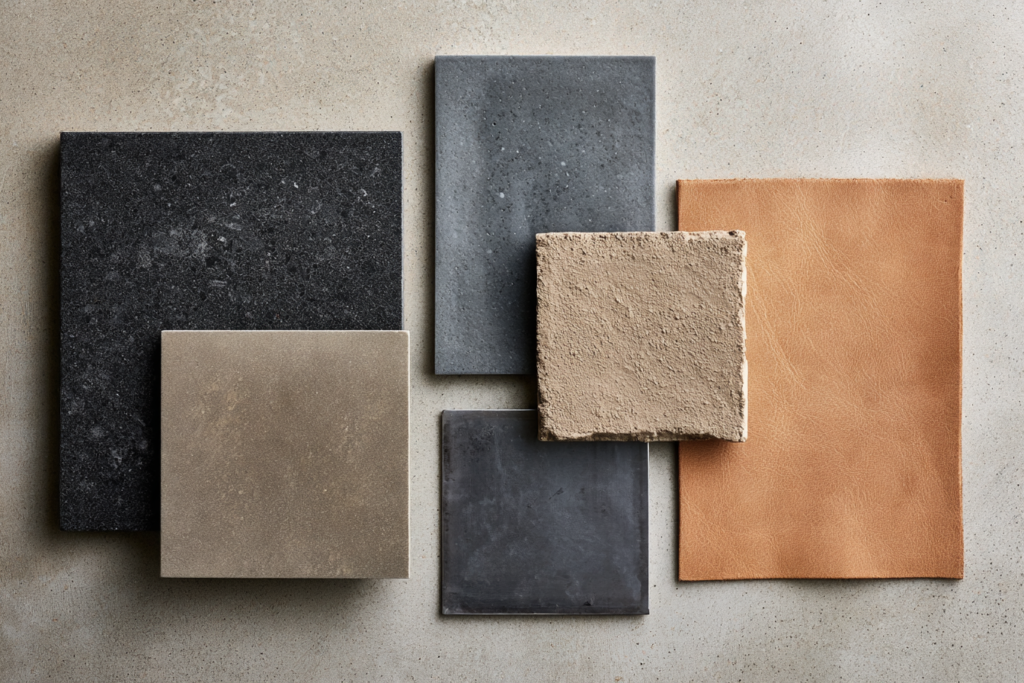
Builders, on the whole, steer clear of bright colours, opting for more neutral, industrial hues. Raw materials like brick, timber, wrought iron, and concrete create a natural palette of tan, black, and grey.
Some examples of shades used in the modern industrial style include:
- Poblenou: A warm grey or blue-toned colour with a quartz or limewash finish
- Silestone: A crisp, light white blended with soft grey tones, commonly used on benchtops
- Taupe: A dark, greyish brown with a smoky, earthy feel
- Corktown: An intensive dark grey-black with a hint of deep chocolate brown
- Niebla grey: Soft, smoky, muted grey tone, popular in tiling
- Black and charcoal: Perfect for cladding, and kitchen or bathroom benchtops.
While not part of the construction process, it’s worth noting how some interior designers punctuate neutral interiors with tan full-grain leather or raw timber furnishings.
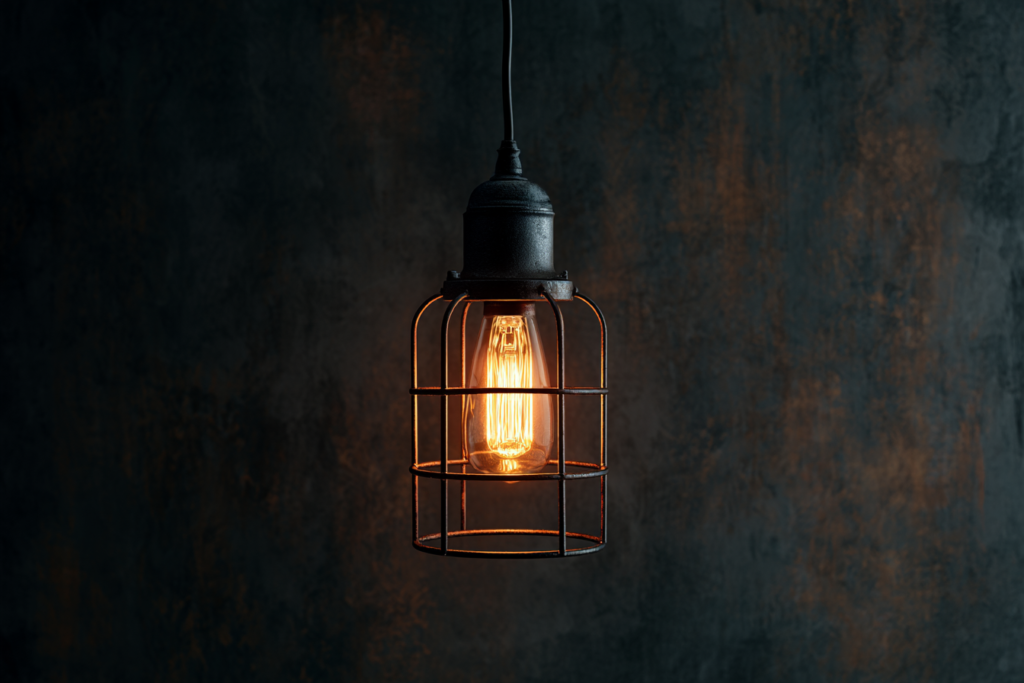
Modern Industrial Lighting
Modern industrial softly illuminates the interior while providing a contemporary interpretation of the industrial era. Fixtures comprise raw materials, with unfinished metals (aged brass, gunmetal, raw steel), or rough textures that complement the modern aesthetic.
Exposed bulbs with Edison-style LED globes can add a warm, vintage look, while visible rivets, chains, pulleys, and wire cages enhance the industrial theme.
Classic modern industrial lighting options can include:
- Hanging pendants: Metallic domes hanging over kitchen islands or dining tables
- Linear pendants: Hanging iron or steel light bars for open-plan kitchens
- Wall sconces: Brass or gunmetal cage fixtures with exposed bulbs
- Skylights: Large glass skylights above kitchens or living rooms
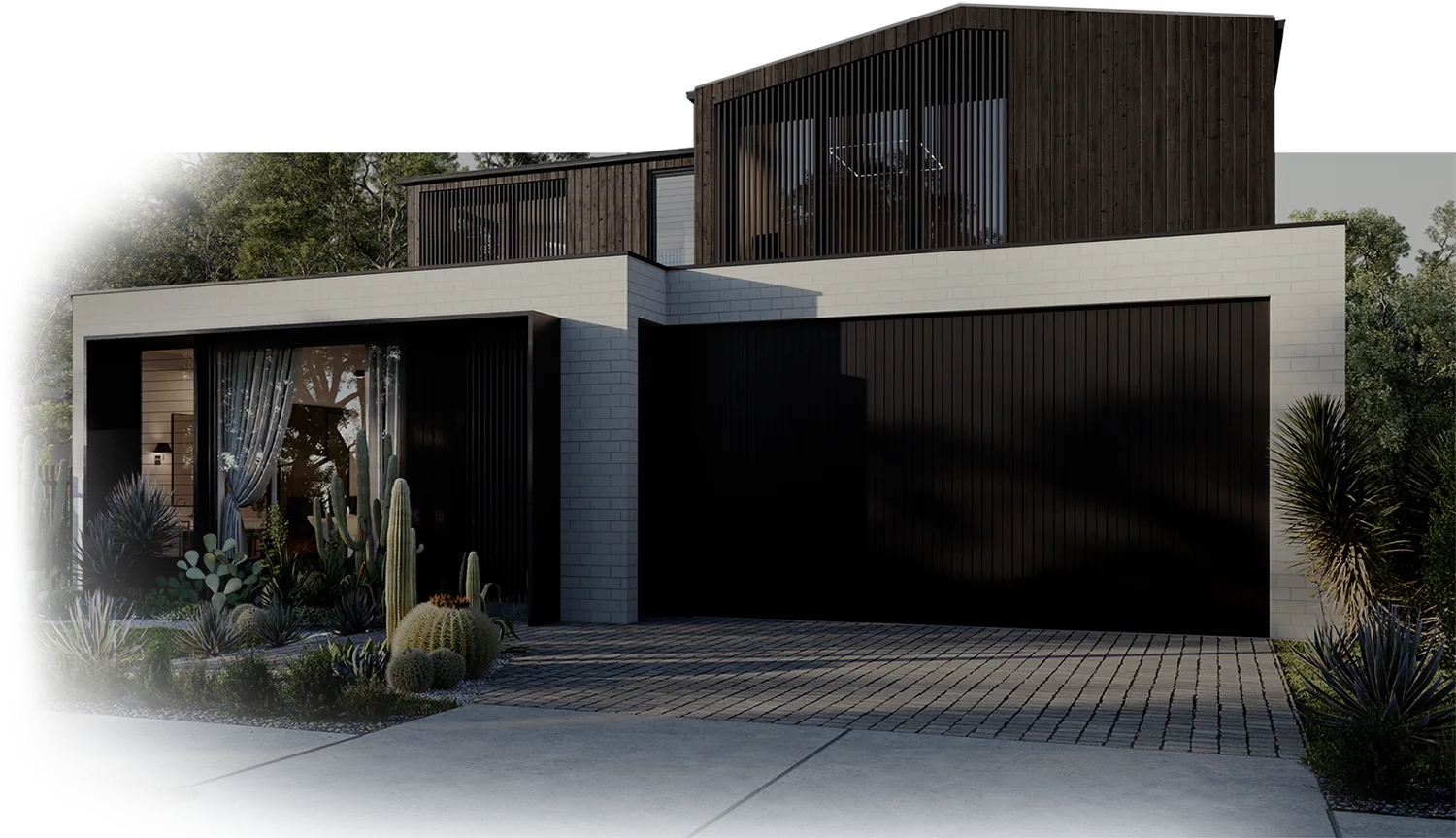
How To Spot A Modern Industrial Facade
Wondering how to spot the difference between a modern industrial home and a similar style, such as urban contemporary?
Here are the tell-tale signs that distinguish a modern industrial home from its facade.
- Raw exposed materials, such as unpainted concrete, distressed brick, or corrugated metal sidings
- Weathered metals, featuring an intentionally rusted look, such as galvanised iron, corten steel, or darkened steel beams
- Floor-to-ceiling windows, with expansive panes held together by dark metallic frames
- Stark geometric lines, featuring clean, minimalist forms and box-like outlines, plus low-pitched roofing with no ornate trimming
- Utilitarian lighting, such as wall scones or lamps, featuring metallic cages and exposed bulbs
Building Your Dream Modern Industrial Home With IMSU
Whether you’re a first-home buyer or an investor, our team of in-house professionals provides an exceptional custom build experience, from first contact to handover. We have the expertise to execute a broad range of custom home designs, including modern industrial.
Join an experienced home design consultant on a guided Project:Home (Home Design Studio) tour to see how IMSU achieves the modern industrial aesthetic. At our in-house Colour Studio, you work alongside professional designers to handpick interior finishes and external facades.
Take a moment to review some of our award-winning designs before contacting our team for a free new custom home consultation and land or site assessment.

Continue Reading
Article • September 14, 2026
IMSU Becomes A Quintuple Finalist at the 2026 HIA NSW Awards
What Is Coastal Farmhouse Design? Interiors, Features & Facades
How to choose your colour scheme for a new build
Start Your Dream
Home Journey
Feeling inspired?
The first step in your dream home journey starts with a single click.